
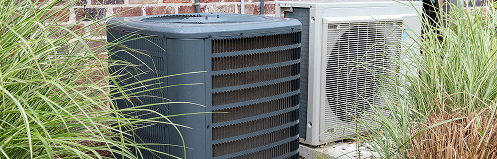
When it comes to cooling your home, choosing the right air conditioning system is crucial for comfort and energy efficiency. Two popular options are central air conditioning systems and mini-split systems. Each has its own advantages and considerations, depending on your home’s layout, your cooling needs, and your budget.
Understanding Central Air Conditioning Systems
Central air conditioning is a common choice for homeowners who want a comprehensive cooling solution. This system uses a network of ducts to distribute cooled air throughout the entire house. A central AC unit typically consists of an outdoor compressor and an indoor evaporator coil, which work together to cool the air and circulate it via ducts.
Advantages of Central AC:
- Whole-home cooling: Central AC systems are designed to cool your entire home evenly, making it an ideal choice for larger homes.
- Better air quality: These systems often include filters that help improve indoor air quality by trapping dust, pollen, and other allergens.
- Aesthetically pleasing: Since the system is hidden in walls and ceilings, central AC units don’t interfere with your interior design.
- Installation cost: Central AC systems can be expensive to install, especially if your home lacks existing ductwork.
- Energy consumption: Cooling an entire home can result in higher energy bills, particularly in homes with poor insulation or inefficient windows.
Understanding Mini-Split Systems
Mini-split systems, also known as ductless systems, provide an alternative to traditional central AC. These systems consist of an outdoor unit connected to one or more indoor units via a small conduit. Each indoor unit operates independently, allowing you to control the temperature of individual rooms or zones.
Advantages of Mini-Split Systems:
- Energy efficiency: Mini-splits allow you to cool only the rooms you’re using, which can lead to significant energy savings.
- Flexible installation: These systems are easier to install in homes without existing ductwork and are perfect for add-ons or rooms that aren’t served by your central AC.
- Zone control: With mini-splits, you can customize the temperature in different rooms, offering personalized comfort for everyone in the household.
- Initial cost: While generally more affordable than central AC for small installations, the cost can add up if you need multiple indoor units to cool a large home.
- Aesthetics: The indoor units of mini-splits are visible on walls, which may not appeal to everyone’s design preferences.
Which System Is Right for You?
The decision between central AC and mini-split systems depends on various factors, including your home’s size, your cooling needs, and your budget. Central AC might be the better choice for homeowners looking for whole-home cooling with a single, unified system. On the other hand, mini-split systems are ideal for those who value energy efficiency, zone control, and flexibility, particularly in homes without ductwork.
Both central AC and mini-split systems have their unique benefits. If you’re unsure which option is best for your home, consider reaching out to Stan’s for expert advice and professional installation.